




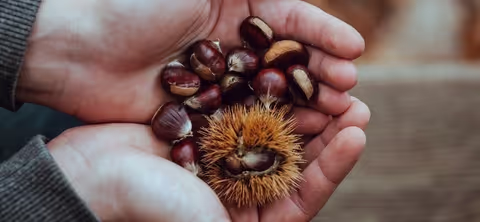
Chestnut- the finest fall fruit
Take advantage of the season and enjoy chestnut delicacies!

Photo by Ricardo Gomez Angel
Cover photo by Sebastien Bourguet
The eight types of chestnut tree producing edible nuts grow in warm, temperate regions of the northers hemisphere. China seems to have led the chestnut charge by growing them in 4000 BC. A chestnut is about the size of walnut and covered with thin, rigid, brown shell. Trees will only start producing nuts at 15 years but will continue for decades. Chestnut are nutritionally high-value foods: 53% water, 2.9 g of proteins, 44 g are carbohydrates, and the main ingredient is starch about 44% in crude seeds, which is comparable to potatoes. Through the Dark Middle Ages, these rich nuts were an important source of food in Italy, Spain, Portugal and France. Those who could not afford little else would visit forest and collect fallen chestnuts, and survived the winter.
Today, we have the privilege of using them with other foods in variety of ways. They can be candied- the French marrons glaces- boiled, roasted, pureed, added to stuffing and ground info flour. Event he leaves can be used to wrap specialty cheeses. Take advantage of the season and enjoy chestnut delicacies!



